
Analyst Highlights
- Figma (FIG) closed up 250% on debut, reaching $68B market cap—a major IPO success for collaborative design software.
- Microsoft’s Azure growth was 39%, with over half driven by core (non-AI) infrastructure, showing cloud strength beyond AI hype.
- S&P 500 dropped 2.5%, VIX surged 34.52%, and Dow Jones lost 3.02%—markets rattled by jobs revision and tariff fears.
- McKinsey cut 5,000 staff and rolled out 12,000 AI agents, shifting to an AI-first model across consulting ops.
- Morgan Stanley projects $2.9T AI spend through 2028, potentially adding 0.5% annually to U.S. GDP.
- Trump’s stablecoin push triggers fast regulation updates across Korea, HK, and Malaysia, with Ant Group & JD.com set to launch tokens.
IPO’s in the week
- A Paradise Acquisition Corp. (APADU, Nasdaq) raised $200 million on July 30, 2025, selling 20 million units at $10 each. The SPAC targets deals in the leisure and entertainment sector. Each unit includes one share and one-eighth of a share right. Cohen & Company led the offering.
- Ambiq Micro (AMBQ, NYSE) raised $96 million on July 30, 2025, offering 4 million shares at $24 each. The Texas-based semiconductor firm designs ultra-low power chips for edge AI devices, powering over 270 million products to date. Its SoCs target wearables, smart home, health tech, and industrial automation.
- J-Star Holding (YMAT, Nasdaq Capital) raised $5 million on July 30, 2025, offering 1.25 million shares at $4 each. The Taiwan-based company manufactures carbon composite parts for electric bicycles, rackets, automobiles, and healthcare products. With 50+ years of industry expertise, J-Star plans to expand its production to the U.S. and Europe.
- Shoulder Innovations (SI, NYSE) raised $75 million on July 31, 2025, offering 5 million shares at $15 each. The Michigan-based medtech company develops advanced implant systems for shoulder surgery, combining AI-powered surgical planning with proprietary hardware. It targets both hospitals and ambulatory surgery centers (ASCs) to improve outcomes and reduce costs.
- Figma (FIG, NYSE) soared in its July 31, 2025 debut after pricing shares at $33, closing up 250% at $115.50, and reaching a market cap of nearly $68 billion. The collaborative design software firm previously drew a $20B takeover bid from Adobe, which was blocked in 2023 by U.K. regulators.
- D. Boral ARC Acquisition I (BCARU, Nasdaq) raised $250 million on July 31, 2025, offering 25 million units at $10 each. The SPAC, led by investment banker David Boral, targets businesses valued at $700 million+, with no sector restrictions. This is the team’s third SPAC venture.
- HCM III Acquisition Corp. (HCMAU, Nasdaq) raised $220 million on August 1, 2025, offering 22 million units at $10 each. The Cayman Islands–incorporated SPAC, led by Shawn Matthews, targets established tech and infrastructure companies serving financial services, real estate, and asset management sectors.

Markets Weekly
- S&P 500 closed at 6,238.01, down 159.68 points and 2.50% for the week.
- Russell 1000 (IWB) closed at 341.56, down 9.05 points and 2.58% for the week.
- Russell 2000 closed at 2,166.78, down 100.79 points and 4.44% for the week.
- Russell 3000 closed at 3,542.15, down 95.27 points and 2.62% for the week.
- CBOE (VIX) closed at 20.38, up 5.23 points and 34.52% for the week.
- Dow Jones closed at 43,588.58, down 1,358.40 points and 3.02% for the week.
- NASDAQ closed at 20,650.13, down 526.27 points and 2.49% for the week.
- Bitcoin closed at 114,508.87, up 1,188.78 points and 1.05% for the week.
- Ethereum closed at 3,501.56, up 13.19 points and 0.38% for the week.
- Solana closed at 161.87, down 1.01 points and 0.62% for the week.
- XRP closed at 2.9216, down 0.0430 points and 1.45% for the week.
- Gold closed at 3,399.80, up 51.10 points and 1.53% for the week.
- Silver closed at 36.929, up 0.217 points and 0.59% for the week.
- WTI closed at 67.33, down 1.93 points and 2.79% for the week.
- Brent Crude Oil closed at 68.04, down 2.05 points and 2.92% for the week.
- Michael Saylor unveiled a $4.2B preferred stock plan to fund more Bitcoin buys while pledging not to dilute common shareholders below a set premium.
- MicroStrategy now holds $74B in Bitcoin, turning equity demand into firepower as critics warn of reflexive risks if sentiment shifts.
- Crypto markets pulled back sharply as Bitcoin fell to a three-week low near $114K, with over $800M in longs liquidated amid cooling ETF inflows and profit-taking.
- U.S. job growth was revised down by 260K, the biggest cut since 2020; Trump called it a “major mistake” and fired the BLS chief.
- Wall Street’s calm broke as July’s weak jobs data and new Trump tariffs rattled markets, sending bond yields tumbling and raising pressure on the Fed to cut rates.
- Japan’s stock exchange plans to allow ETFs with OTC derivatives, targeting demand for yield-boosting strategies like call overwriting.
- The Bank of England is expected to cut rates to 4% this week, prioritizing growth concerns over a recent inflation spike amid tax hikes and rising job losses.
- EM investors are backing off dollar short bets, favoring dollar assets as U.S. rates stay high and the greenback rebounds.
- OPEC+ will boost output by 547,000 barrels/day in September, shifting focus to market share, while leaving future supply plans open amid surplus risks.
- Weak U.S. jobs data sparked a Treasury rally, with 2-year yields seeing their biggest drop since 2023 as traders bet on Fed rate cuts and revived steepener trades.
- Strong Big Tech earnings, led by AI gains at Alphabet, Meta, and Microsoft, boosted investor confidence amid market pressure from jobs data and tariffs.
Politics Weekly
- Trump moved two U.S. nuclear submarines after Medvedev’s “provocative” remarks, warning that reckless words could lead to serious consequences.
- A last-minute call between Trump and Switzerland’s president failed to prevent a new 39% U.S. tariff, as Trump demanded more concessions over a $40B trade gap.
- Myanmar remains optimistic about easing Trump’s 40% tariffs, offering major cuts on U.S. imports despite ongoing sanctions and strained diplomatic ties.
- U.S. and European officials report fewer Russia-backed sabotage attempts in 2025, suggesting Putin is tightening control over hybrid warfare operations.
- Trump fired the U.S. labor stats chief after weak job numbers rattled markets, then gained a surprise chance to reshape the Fed as Governor Kugler resigned.
- Fed Governor Kugler’s resignation gives Trump an early chance to appoint a dovish ally and potentially accelerate his selection of Powell’s successor.
- Ukraine claimed drone strikes on two major Russian oil refineries and a military base, calling it retaliation for deadly attacks on Kyiv that killed 31 and injured over 150.
- Canada’s trade envoy said talks with the U.S. remain “constructive” despite Trump raising tariffs to 35%, and expects Carney and Trump to speak soon to ease tensions.
- Brazil’s Lula said he’s open to U.S. trade talks if treated as an equal, rejecting Trump’s pressure tactics over Bolsonaro’s trial and recent tariff threats.
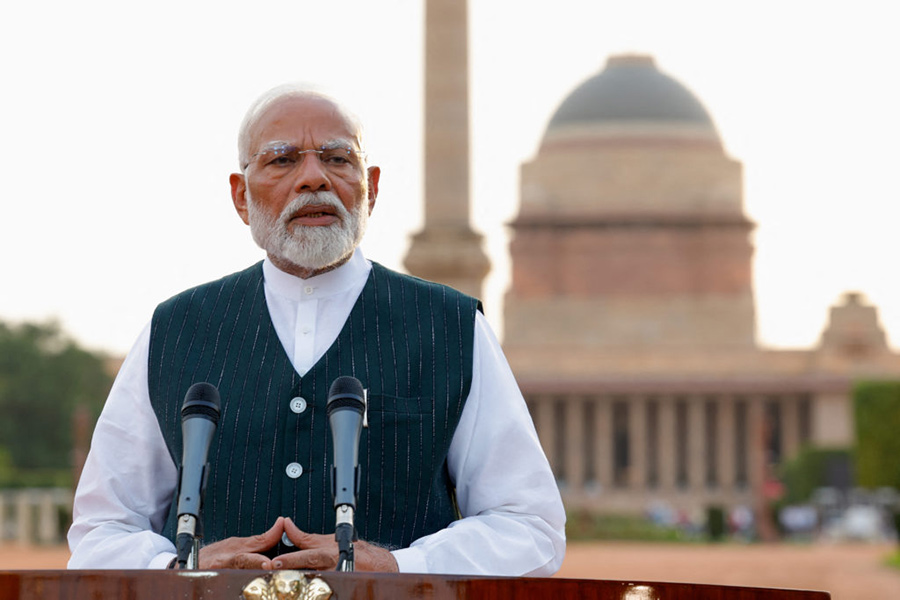
- Modi called on Indians to support local goods amid global instability, days after Trump imposed 25% tariffs on Indian exports and warned of further penalties.
Technology Advancements in the week
- Microsoft joined Nvidia in the exclusive $4 trillion market cap club, while Meta is closing in on $2 trillion, catching up to Google and Amazon.
- Morgan Stanley forecasts $2.9 trillion in AI infrastructure spending from 2025 to 2028, projecting it will boost U.S. GDP by 0.5% annually through data center, chip, and server investments.
- Zuckerberg says AI-powered smart glasses will replace smartphones as our primary devices, capable of seeing, hearing, and interacting with users in real time.
- McKinsey has deployed 12,000 AI agents, calling the shift “existential” as it automates core consulting tasks and plans for one bot per employee.
- Microsoft’s non-AI businesses are booming too, with strong growth in cloud and productivity tools—over half of Azure’s 39% jump came from core infrastructure, not AI.
- Palo Alto Networks is in talks to acquire CyberArk for over $20 billion, aiming to expand its cybersecurity platform by adding identity security to its portfolio.
- Trump’s support for stablecoins is pushing Asian markets to fast-track regulations, with firms like JD.com and Ant Group preparing to launch their own tokens.
👉 Keep the conversation going! Subscribe to our weekly newsletter for more insights, delivered straight to your inbox.