
Analyst Highlights
- Equities: NASDAQ Composite closed at 21,879.18, +1,084.54 points (+5.22%), while the Russell 2000 rose +4.81%, signaling broadening risk appetite beyond mega caps.
- Volatility: CBOE VIX closed at 23.87, -6.74 points (-22.01%), reflecting easing immediate fear as markets responded to ceasefire optimism.
- Energy: WTI Crude closed at 111.54, +8.66 points (+8.42%), while Brent closed at 109.03, -3.75 points (-3.32%); OPEC+ warned war damage could disrupt supply well beyond the conflict.
- Rates: Strong March payrolls pushed Treasury yields higher and reduced expectations for near-term Fed cuts, tightening the policy backdrop for risk assets.
- Crypto: Bitcoin closed at 68,981.90, +2,290.45 points (+3.43%) and Ethereum at 2,109.00, +85.49 points (+4.23%), while Solana fell -0.72%, signaling selective rather than broad crypto risk expansion.
- Technology: Microsoft’s $10 billion Japan AI push, Hon Hai’s 7% sales growth, and tighter US chip curbs on China reinforced that AI infrastructure remains the dominant global tech theme.

IPO’s in the week
- HMH Holding (HMH, Nasdaq) – A holding company focused on diversified investments and operations; IPO on April 1, 2026; 10,520,000 shares offered at $20.00, raising ~$210.4M, aimed at expanding its investment portfolio and operations.
- KPET Ultra Paceline (KPET, NYSE) – Operates in the pet-focused consumer or specialty products segment; IPO on March 31, 2026; 20,000,000 shares at $10.00, raising $200M, supporting growth and market expansion.
- Future Money Acquisition (FMACU, Nasdaq) – A SPAC targeting fintech and financial services opportunities; IPO on March 27, 2026; 10,000,000 units at $10.00, raising $100M for future acquisitions.
- Inflection Point Acquisition VI (IPFXU, Nasdaq) – A SPAC focused on identifying high-growth companies; IPO on March 27, 2026; 22,000,000 units at $1, raising $22 to pursue strategic mergers.
- QDRO Acquisition (QADRU, Nasdaq) – A SPAC targeting opportunities in financial or related sectors; IPO on March 27, 2; 2, units at $1, raising $2 for acquisition-driven growth.

Markets Weekly
- S&P 500 closed at 6,582.69, +238.97 points (+3.77%) for the week.
- Russell 1000 closed at 3,595.46, +130.96 points (+3.78%) for the week.
- Russell 2000 closed at 2,530.04, +116.03 points (+4.81%) for the week.
- Russell 3000 closed at 3,749.46, +138.22 points (+3.83%) for the week.
- CBOE VIX closed at 23.87, -6.74 points (-22.01%) for the week.
- Dow Jones closed at 46,504.67, +1,288.53 points (+2.85%) for the week.
- NASDAQ Composite closed at 21,879.18, +1,084.54 points (+5.22%) for the week.
- Bitcoin closed at 68,981.90, +2,290.45 points (+3.43%) for the week.
- Ethereum closed at 2,109.00, +85.49 points (+4.23%) for the week.
- Solana closed at 81.85, -0.59 points (-0.72%) for the week.
- XRP closed at 1.3255, +0.0029 points (+0.22%) for the week.
- Gold closed at 4,651.50, +125.50 points (+2.77%) for the week.
- Silver closed at 72.735, +2.411 points (+3.43%) for the week.
- WTI Crude closed at 111.54, +8.66 points (+8.42%) for the week.
- Brent Crude closed at 109.03, -3.75 points (-3.32%) for the week.
- OPEC+ made only a symbolic oil output hike, warning Middle East war damage could disrupt supply well beyond the conflict.
- Hormuz remains the key market focus, as only limited vessel traffic has resumed and normal oil flow is still far from restored.
- Strong March payrolls pushed Treasury yields higher and reduced expectations for near-term Fed rate cuts.
- Ceasefire hopes lifted sentiment, with stocks rising and oil pulling back as investors priced in possible containment of the Iran conflic
- A major Abu Dhabi petrochemicals plant halted after an attack sparked fires, adding to Gulf energy and supply-chain disruption risk.
- Israel restarted its largest gas field after a month-long shutdown, easing regional energy supply pressures amid ongoing war disruptions.
- Iran war uncertainty is clouding BOJ policy signals, despite markets pricing a ~70% chance of a rate hike.
- Coinbase won conditional US trust charter approval, strengthening its role in crypto custody and future tokenized finance infrastructure.

Politics Weekly
- US rescued a downed pilot inside Iran after a high-risk mission involving aircraft destruction and helicopter fire, signaling deeper escalation.
- Trump threatens Iran infrastructure as Tehran rejects Hormuz reopening and escalates Gulf strikes, intensifying geopolitical and oil supply risks.
- A third US aircraft carrier is heading to the Middle East, signaling sustained military escalation in the Iran war.
- Israel said Iran still has over 1,000 missiles capable of reaching it, signaling the war could continue for months.
- Russia rejected a UN push to reopen Hormuz, raising the risk of prolonged shipping disruption and sustained oil market stress.
- Europe hardened opposition to Trump’s Iran war, raising risks of deeper NATO strains and weaker Western coordination.
- Trump proposed a $2.2 trillion budget with a major defense increase and deep domestic agency cuts, signaling a sharper military-first policy shift.
- Iran allowed Iraqi ships through Hormuz, offering limited relief to oil flows, though shipping risk and broader disruption remain elevated.
Technology Advancements in the week
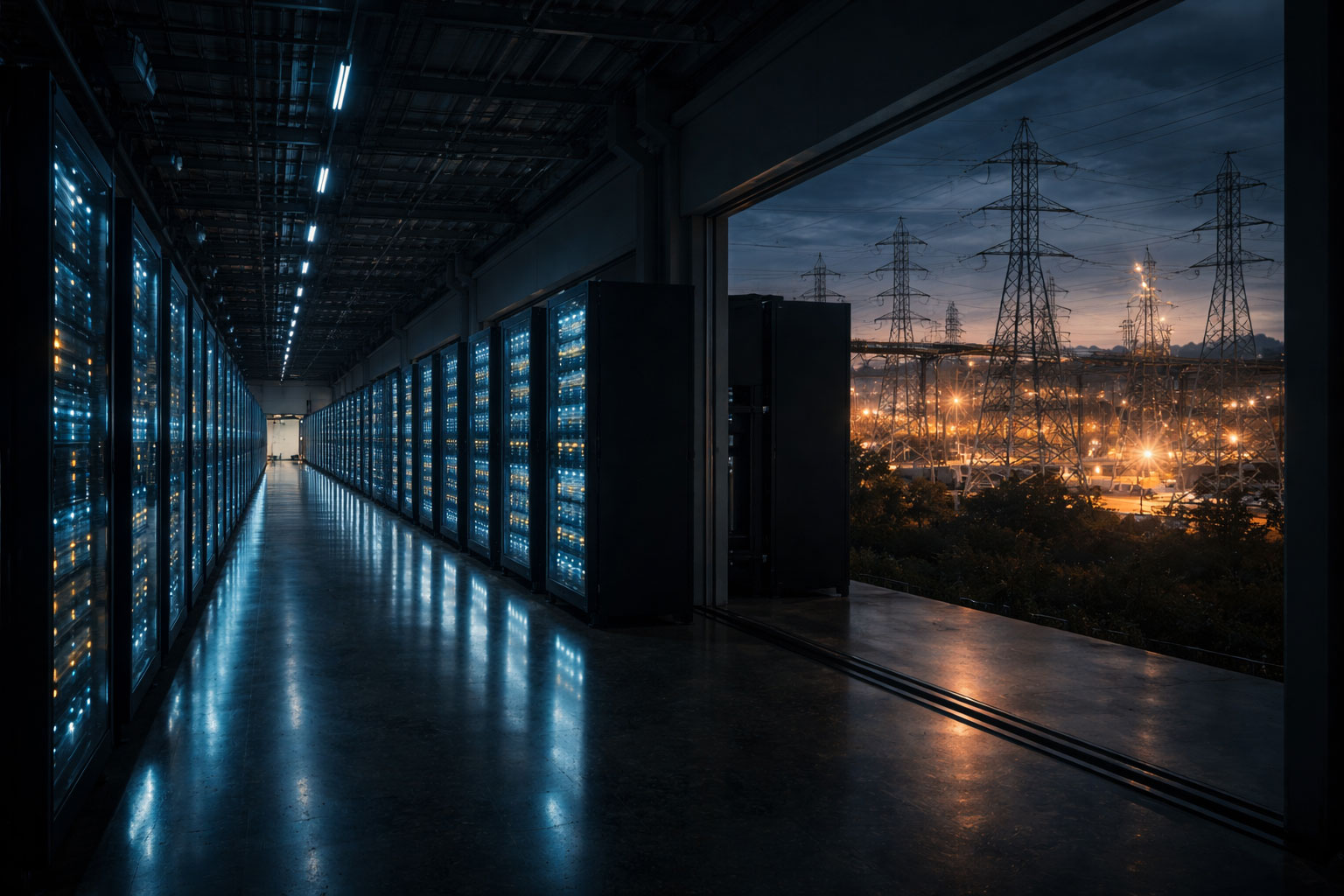
- US AI infrastructure depends on Chinese electrical equipment, exposing data center expansion to supply-chain bottlenecks and strategic dependency risks.
- US lawmakers moved to tighten chip tool export curbs on China, escalating semiconductor supply-chain tensions and pressure on global equipment makers.
- Microsoft committed $10 billion to Japan for AI infrastructure, cloud expansion, cybersecurity, and talent training, deepening the regional AI race.
- Microsoft set aggressive Copilot sales goals, signaling stronger monetization focus as enterprise AI competition shifts from adoption to revenue execution.
- Hon Hai sales rose on solid AI demand, reinforcing Nvidia-linked infrastructure strength despite macro uncertainty and slightly missing estimates.
- Anthropic sees broader demand for Cowork than Claude Code, signaling rapid expansion of AI agents beyond developers into mainstream workplace use.
- A suspected North Korean breach of the Axios software tool exposed core internet infrastructure, raising broad cybersecurity and supply-chain security risks.
- Anthropic’s accidental Claude Code exposure raised security concerns, highlighting operational risks as AI systems become more complex and widely deployed.
👉Keep the conversation going! Subscribe to our weekly newsletter for more insights, delivered straight to your inbox.