
Analyst Highlights
- The Iran conflict has rapidly become the dominant macro driver, with energy supply risks pushing crude above $100 and reshaping inflation expectations globally.
- Bond markets are shifting focus from inflation toward potential growth risks as prolonged high oil prices threaten consumer demand and industrial activity.
- The US Strategic Petroleum Reserve release highlights the scale of supply disruption concerns as policymakers attempt to stabilize energy markets.
- AI infrastructure spending continues to accelerate globally, with hyperscalers committing hundreds of billions toward data centers and next-generation chips.
- Semiconductor demand remains heavily concentrated in AI applications, while weakness in smartphones and PCs signals uneven growth across the broader chip sector.
- Commodity markets are increasingly shaped by geopolitics, with metals, energy, and fertilizers all responding sharply to war-driven supply shocks.

IPO’s in the week
- Pono Capital Four (PONOU, Nasdaq) – Special purpose acquisition company focused on business combinations in growth sectors; IPO March 13, 2026, 15,000,000 shares priced at $10.00, raising $150 million.
- MDA Space (MDA, NYSE) – Space technology company providing satellite systems, robotics, and geospatial services; IPO March 12, 2026, 9,836,065 shares priced at $30.50, raising $300 million.
- Metals Acquisition II (MTAL.U, NYSE) – Special purpose acquisition company targeting metals and mining sector opportunities; IPO March 12, 2026, 20,000,000 shares priced at $10.00, raising $200 million.
- PayPay (PAYP, Nasdaq) – Digital payments platform focused on mobile payments and fintech services; IPO March 12, 2026, 54,987,216 shares priced at $16.00, raising ~$880 million.
- SUMA Acquisition (SUMAU, Nasdaq) – Special purpose acquisition company pursuing acquisitions in technology and sustainability sectors; IPO March 11, 2026, 15,000,000 shares priced at $10.00, raising $150 million.
- FreeCast (CAST, Nasdaq) – Streaming aggregation platform integrating multiple streaming services into a unified interface; IPO March 10, 2026,19,782,084 shares priced at $8.00,raising ~$158 million.

Markets Weekly
- S&P 500 closed at 6,632.19, down 163.80 points (-2.41%) for the week.
- Russell 1000 closed at 3,616.28, down 92.42 points (-2.49%) for the week.
- Russell 2000 closed at 2,480.05, down 73.62 points (-2.88%) for the week.
- Russell 3000 closed at 3,766.72, down 96.96 points (-2.51%) for the week.
- CBOE (VIX) closed at 27.19, up 1.69 points (+6.63%) for the week.
- Dow Jones closed at 46,558.47, down 1,182.33 points (-2.48%) for the week.
- Nasdaq Composite closed at 22,105.36, down 590.59 points (-2.60%) for the week.
- Bitcoin closed at 72,789.91, up 4,387.53 points (+6.41%) for the week.
- Ethereum closed at 2,177.48, up 184.54 points (+9.26%) for the week.
- Solana closed at 92.25, up 7.31 points (+8.61%) for the week.
- XRP closed at 1.4476, up 0.0858 points (+6.30%) for the week.
- Gold closed at 5,052.50, down 39.00 points (-0.77%) for the week.
- Silver closed at 80.914, down 3.118 points (-3.71%) for the week.
- WTI Crude closed at 98.71, up 3.94 points (+4.16%) for the week.
- Brent crude closed at 103.14, up 4.18 points (+4.22%) for the week.
- Global stocks slid over 5% since the Iran conflict began, putting markets on track for their worst monthly performance since 2022.
- Oil climbed above $100 while US stock futures slipped after strikes on Iran’s main export hub raised fears of major supply disruption.
- The US launched an 86 million-barrel emergency oil release as war-driven supply disruption pushed crude and fuel prices sharply higher.
- Brent crude has surged about 40% since February as the Iran war disrupted energy flows and increased inflation risks globally.
- US Treasuries turned negative for 2026 as rising oil prices fueled inflation and growth fears across bond markets.
- Bond markets are starting to shift from inflation fears to growth worries as high oil prices threaten broader economic weakness.
- Big Tech slipped into correction as the Iran war, higher oil prices, and weaker sentiment weighed on US equities.
- Hedge funds turned most bullish on oil since 2020 as the Iran war intensified supply fears and lifted crude bets.
- The Iran war is triggering a fertilizer shock as rising urea and ammonia prices lift farming costs and food inflation risks.
- The euro hit a seven-month low against the dollar as the oil crisis heightened European growth fears and market stress.

Politics Weekly
- S.–Israel strikes on Iran intensify as Tehran retaliates across the region, escalating Middle East tensions and raising risks of broader regional conflict.
- Iran war disrupts Strait of Hormuz shipping, threatening nearly 20% of global oil supply and driving sharp volatility in energy markets.
- IEA said Asia will immediately release emergency oil stocks after Middle East war caused historic supply disruptions and blocked Hormuz.
- Trump’s unclear endgame on Iran is leaving allies and adversaries guessing as the war enters its third week.
- US strikes on Iran’s Kharg Island export hub threaten major oil flows, increasing risks of prolonged volatility across global energy markets.
- China urged the US to halt Taiwan arms sales after reports of a new weapons deal, reviving cross-strait tensions.
- North Korea fired more than 10 ballistic missiles during US-South Korea drills, escalating tensions on the Korean Peninsula.
- EU rejected US accusations of global overcapacity after Washington launched a Section 301 trade probe into major partners.
Technology Advancements in the week
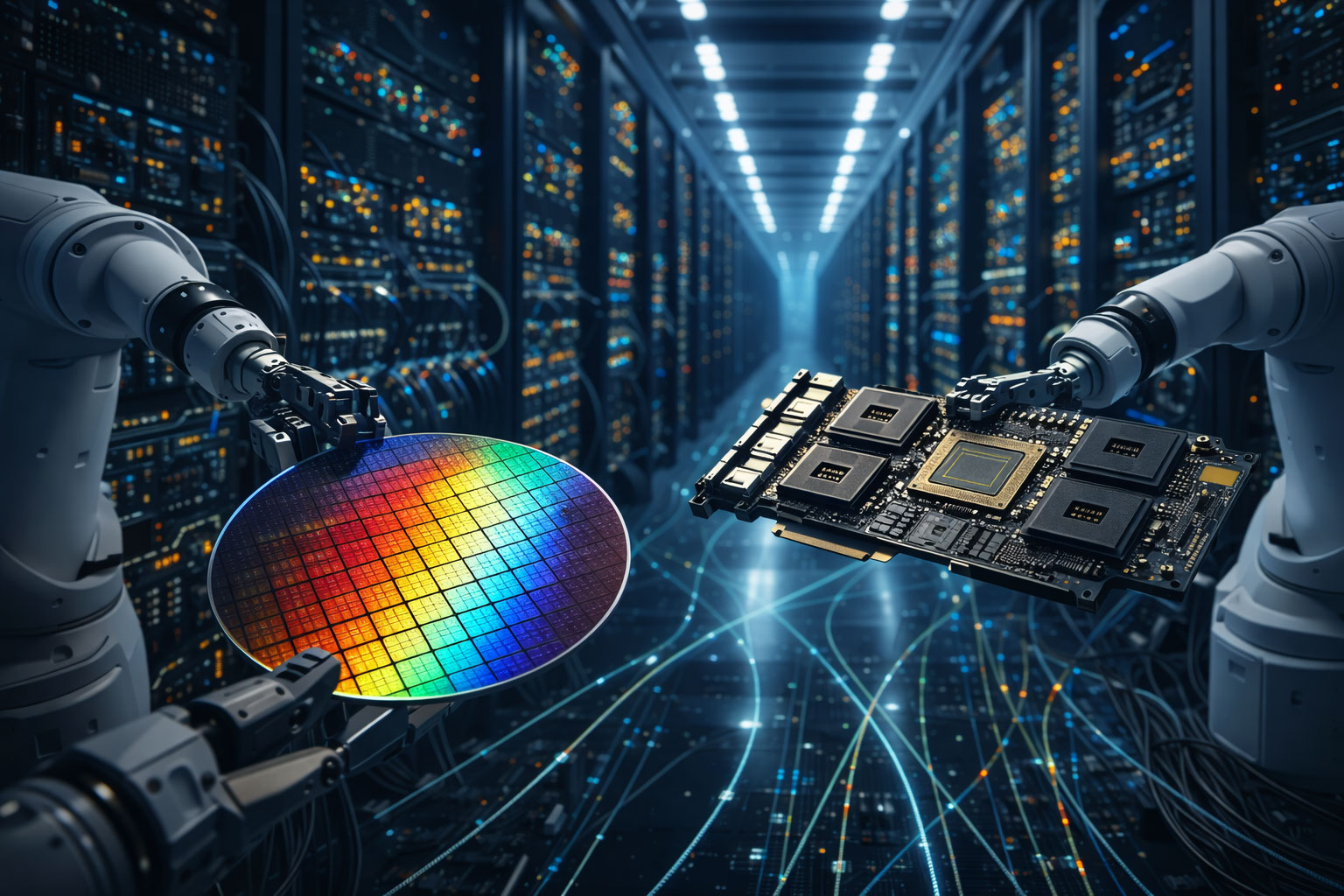
- Nvidia will invest in Thinking Machines Lab and supply next-generation AI chips, strengthening its role at the center of global AI infrastructure.
- Google will provide the Pentagon with Gemini AI agents for unclassified tasks, expanding enterprise AI adoption across US defense operations.
- OpenAI is accelerating its trillion-dollar AI infrastructure buildout, expanding data-center capacity and chip supply to support future model growth.
- Microsoft and Meta fueled a $700 billion boom in data-center leases, underscoring how AI demand is reshaping long-term infrastructure spending.
- Amazon will deploy Cerebras’ giant AI chips alongside its Trainium processors, expanding AWS capabilities to run faster and more efficient AI models.
- The US withdrew a proposed rule requiring global permits for AI chip exports, easing immediate regulatory pressure on semiconductor and AI hardware markets.
👉 Keep the conversation going! Subscribe to our weekly newsletter for more insights, delivered straight to your inbox.