
Analyst Highlights:

- The S&P 500’s move into correction territory shows the AI repricing spreading across the market; strong sector revenue growth offered limited protection.
- Anthropic’s record offering demonstrated access to exceptional funding, but one priced IPO does not establish a broad reopening of the listing market.
- The Fed’s discussion of opaque AI debt and circular financing makes credit exposure and lease obligations increasingly relevant to equity analysis.
- AWS’s planned sale-and-leaseback structure illustrates capital recycling; investors should assess retained operating commitments alongside the ownership transfer.
- Falling building permits and mortgage rates above 7% suggest continued pressure on housing affordability and the pipeline for residential construction.
- The Shenzhen declaration improved diplomatic engagement without settling the Ukraine or Iran conflicts, leaving substantial geopolitical uncertainty intact.
IPOs in the week:

- Anthropic (NASDAQ: ANT) — Priced 980 million shares at $83, above its $70–$78 range, for an $81.34 billion base offering. Full exercise of the overallotment option lifted gross IPO proceeds, including selling shareholders’ proceeds, to approximately $93.5 billion, alongside a separate $26 billion private placement. Shares finished Friday approximately 7% above the offer price.
- Core Specialty Insurance (proposed NYSE: CORE) — Filed for a U.S. IPO on November 16; the number of shares and price range remain undetermined. Existing shareholders are expected to participate in the offering.
Markets Weekly:
Weekly changes compare Friday, November 20, with Friday, November 13. Futures comparisons use matching delivery contracts.
Market Performance:
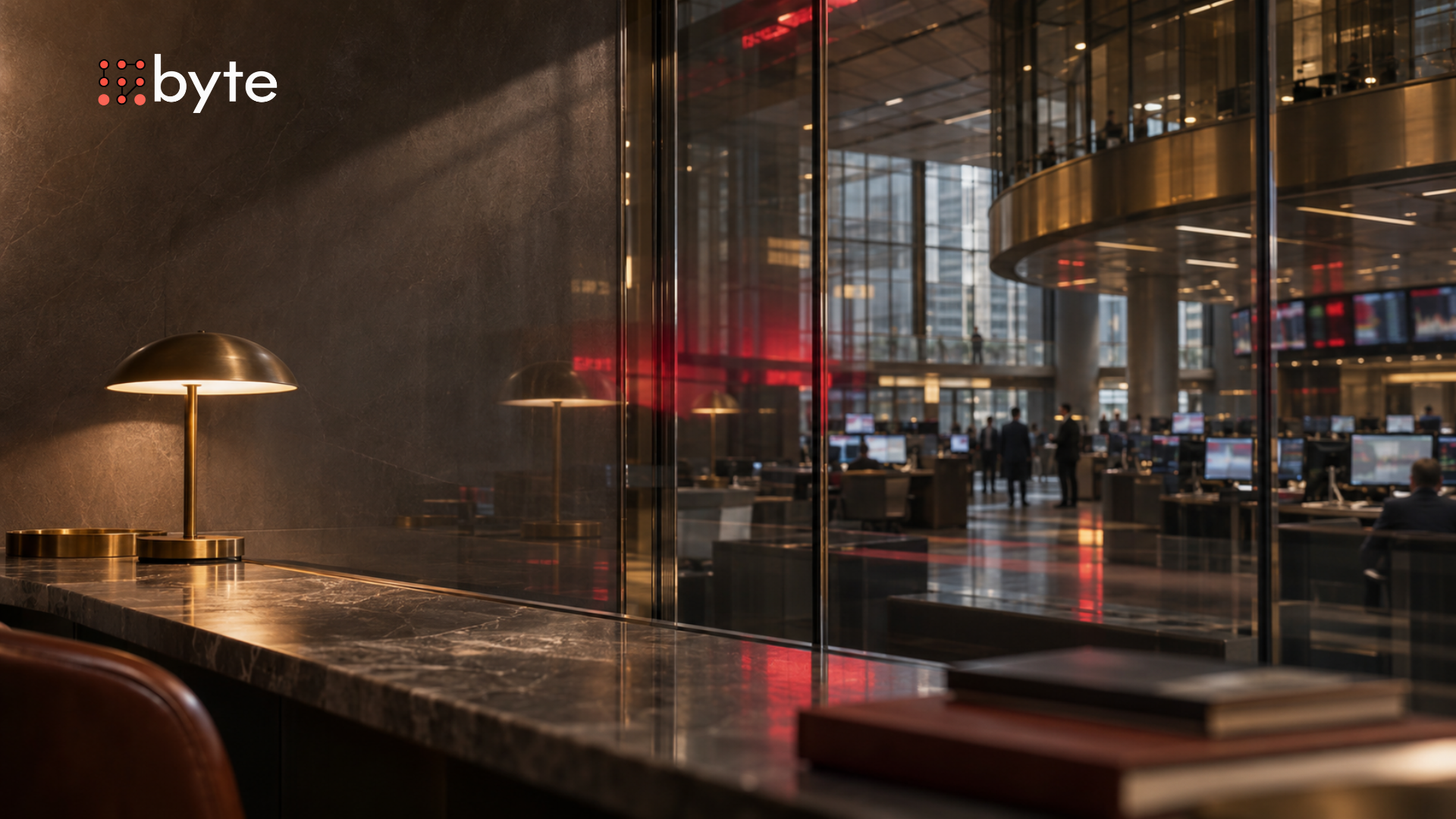
- S&P 500 closed at 6,910.39, falling 651.28 points, or 8.61% for the week.
- Russell 1000 closed at 3,766.96, falling 352.14 points, or 8.55% for the week.
- Russell 2000 closed at 2,581.79, falling 208.70 points, or 7.48% for the week.
- Russell 3000 closed at 3,925.38, falling 364.96 points, or 8.51% for the week.
- CBOE Volatility Index (VIX) closed at 35.89, rising 16.59 points, or 85.96% for the week.
- Dow Jones closed at 48,147.33, falling 4,200.22 points, or 8.02% for the week.
- NASDAQ (IXIC) closed at 22,617.73, falling 2,518.54 points, or 10.02% for the week.
- Bitcoin closed at $61,161.91, falling $4,143.15, or 6.34% for the week.
- Ethereum closed at $1,721.08, falling $114.42, or 6.23% for the week.
- Solana closed at $70.57, falling $2.11, or 2.90% for the week.
- XRP closed at $0.9274, falling $0.0472, or 4.85% for the week.
- Gold closed at $3,515.40, falling $370.90, or 9.54% for the week.
- Silver closed at $41.070, falling $8.051, or 16.39% for the week.
- WTI closed at $83.98, falling $4.58, or 5.17% for the week.
- Brent crude closed at $92.57, falling $3.27, or 3.41% for the week.
Market Developments:
- Nvidia’s accounting inquiry intensified Friday’s AI selloff, Reuters reported; the SEC investigation does not establish wrongdoing.
- October Fed minutes, released Wednesday, indicated further tightening was likely appropriate and flagged opaque AI financing as a financial-stability risk.
- October industrial production fell 0.4% as utilities and mining weakened; manufacturing rose 0.3%, supported by motor-vehicle output.
- October retail sales rose an estimated 0.2%; sales excluding autos increased 0.6%, showing stronger spending outside the vehicle sector.
- Initial unemployment claims increased 1,000 to 203,000 for the week ended November 14; continuing claims for November 7 rose 70,000.
- October building permits fell 7.4% to an annualized 1.295 million, with single-family authorizations declining 8.7% from September.
- Freddie Mac’s average 30-year fixed mortgage rate climbed to 7.28% from 7.11%, adding pressure to housing affordability.
- Philadelphia Fed manufacturing activity slowed to 6.3 from 20.9; new orders turned slightly negative while input-price pressures increased.
Politics Weekly:
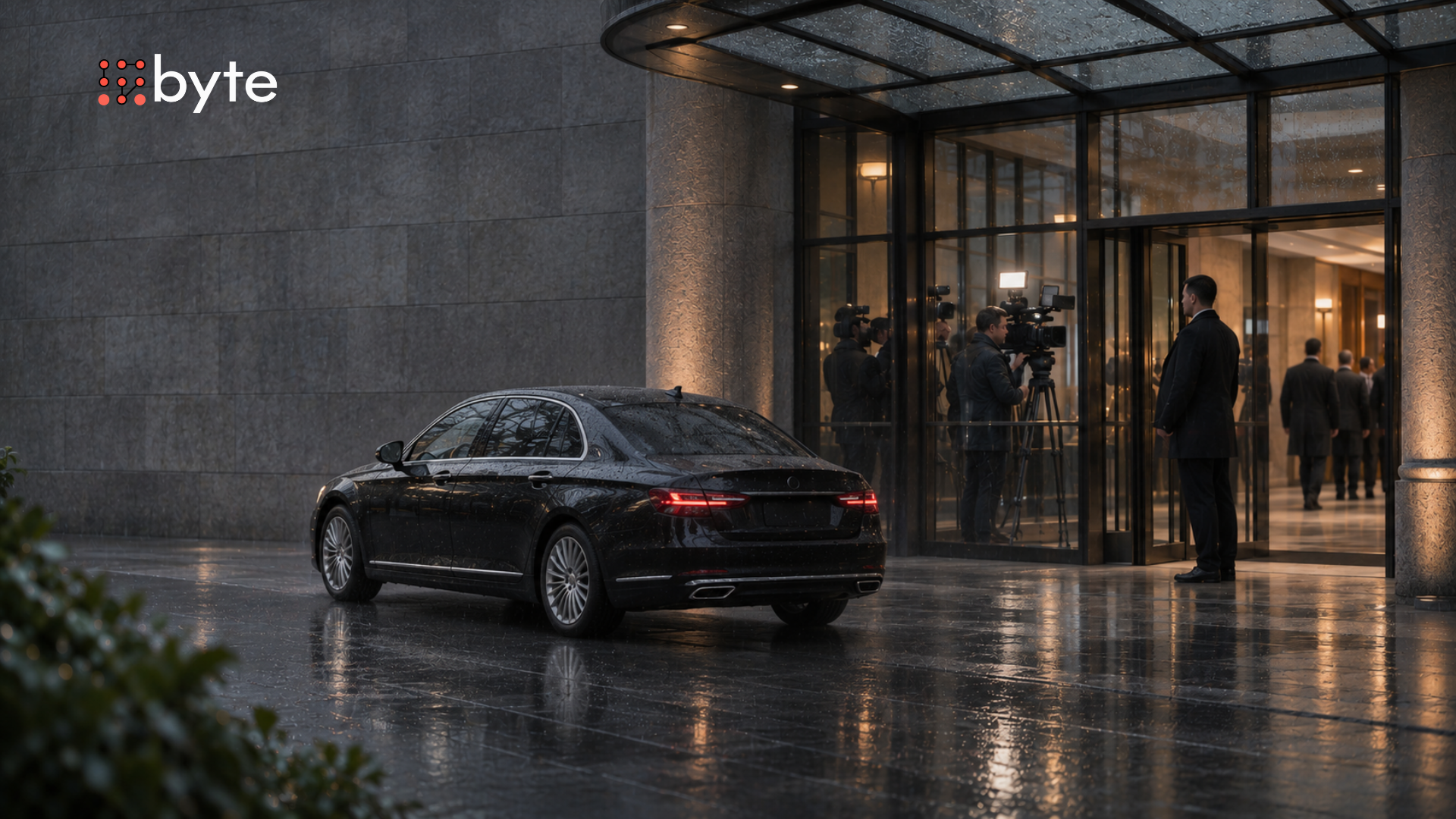
- Trump, Xi and Putin pledged nuclear-risk dialogue without announcing arms-control negotiations; European leaders insisted on participation in Ukraine peace talks.
- Congress remained divided over Iran-war funding and Pentagon spending, complicating negotiations to avert a government shutdown after December 11.
- Iran said it still sought diplomacy to end the war, while Trump called Tehran’s proposed terms unacceptable.
- Houthis claimed drone attacks on Saudi Arabia’s East-West pipeline; Saudi authorities did not immediately confirm the reported strikes.
- Washington introduced restrictions on remote access to advanced U.S. computing technology through third-country data centers, targeting export-control circumvention.
- Canada and China extended their trade arrangement through December 2028, expanding tariff relief for Canadian pork and seafood exports.
- Russia began towing drone-damaged cargo ship Sparta II from Finnish waters, underscoring growing security risks in the Baltic.
Technology Advancements in the week:
- Nvidia reported $115.8 billion quarterly revenue, up 103% annually, and forecast approximately $130 billion for the fourth quarter.
- Blackstone Digital agreed to acquire 75% of two AWS data-center ventures in an approximately $5 billion transaction involving long-term leasebacks.
- Palo Alto Networks agreed to acquire Applied Compute for $4.5 billion in stock, expanding secure enterprise deployment of open-weight AI.
- Microsoft expanded its Intel partnership, securing multiyear Xeon supply and adopting Intel’s EMIB packaging for Azure’s proprietary silicon.
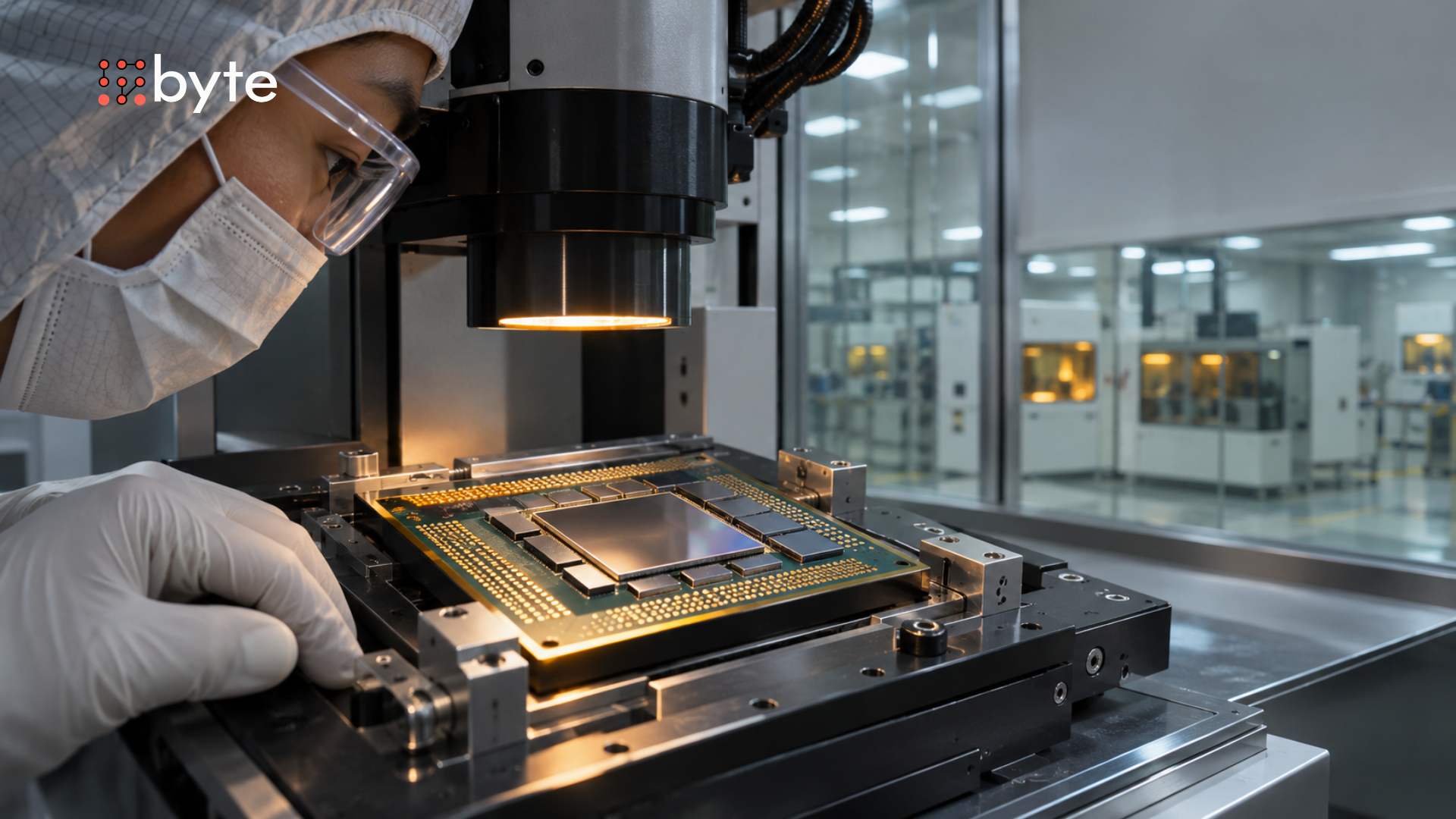
- Nvidia expanded manufacturing commitments, including multibillion-dollar funding for SPIL’s advanced packaging capacity and new Kinsus substrate agreements.
- OpenAI launched GPT-6.2 Astra and Sol, cutting Astra’s standard input and output token prices 20% versus GPT-6 Astra.
- Google introduced Gemini 4 Neon with a one-million-token context window, expanding availability across developer and enterprise products.
👉 Keep the conversation going! Subscribe to our weekly newsletter for more insights, delivered straight to your inbox.